Your Moving to Norwalk Guide for Housing, Commute, and Daily Life
May 7, 2026
May 7, 2026
Thinking about moving to Norwalk? You are not alone. For many buyers, Norwalk stands out because it offers a practical way to live in Los Angeles County with solid regional access, established housing, and everyday amenities that support real life. If you want a clearer picture of housing costs, commute options, and what daily life can look like here, this guide will help you sort through the details. Let’s dive in.
Norwalk sits in Los Angeles County about 17 miles southeast of downtown Los Angeles, which makes it a central option for people who want to stay connected to the wider region. City planning data places the population at about 98,100, with roughly 27,600 households. That gives Norwalk the feel of an established residential city rather than a small isolated suburb.
It also tends to appeal to buyers who value convenience over flash. The city highlights transportation, recreation, housing assistance, and a first-time homebuyer program, which points to a community built around day-to-day livability. If your goal is to balance access, function, and price within LA County, Norwalk deserves a close look.
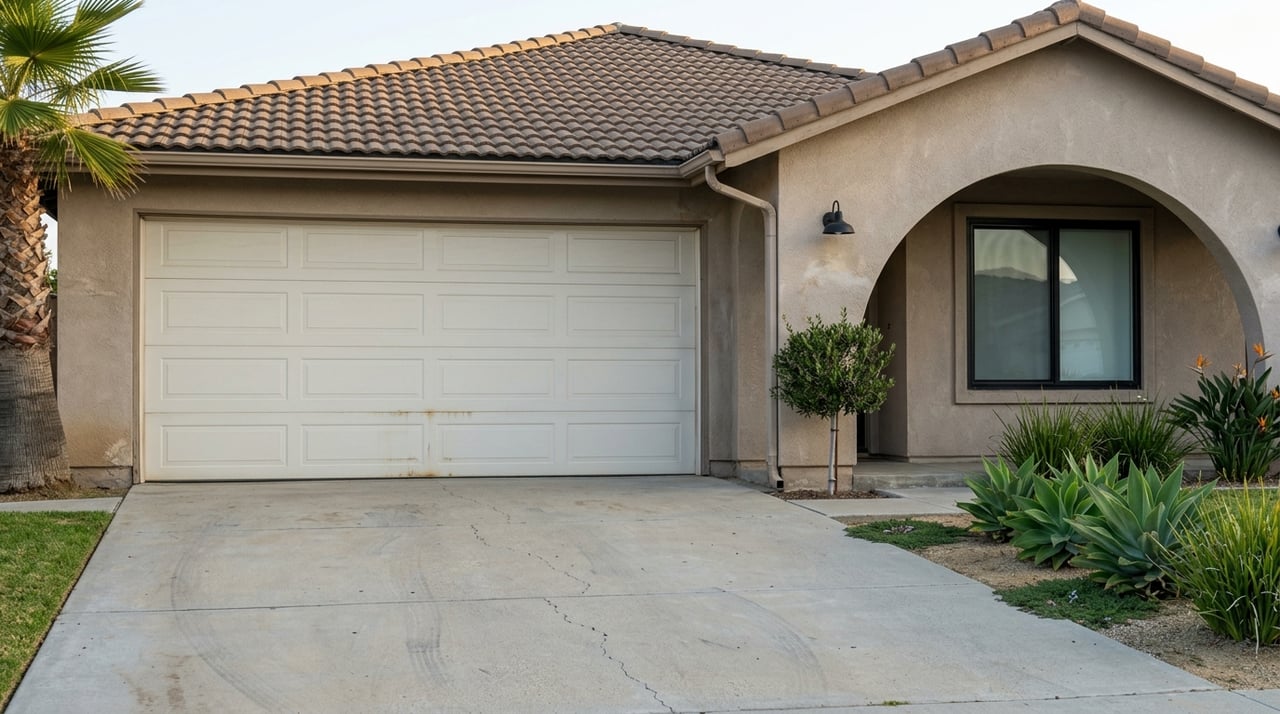
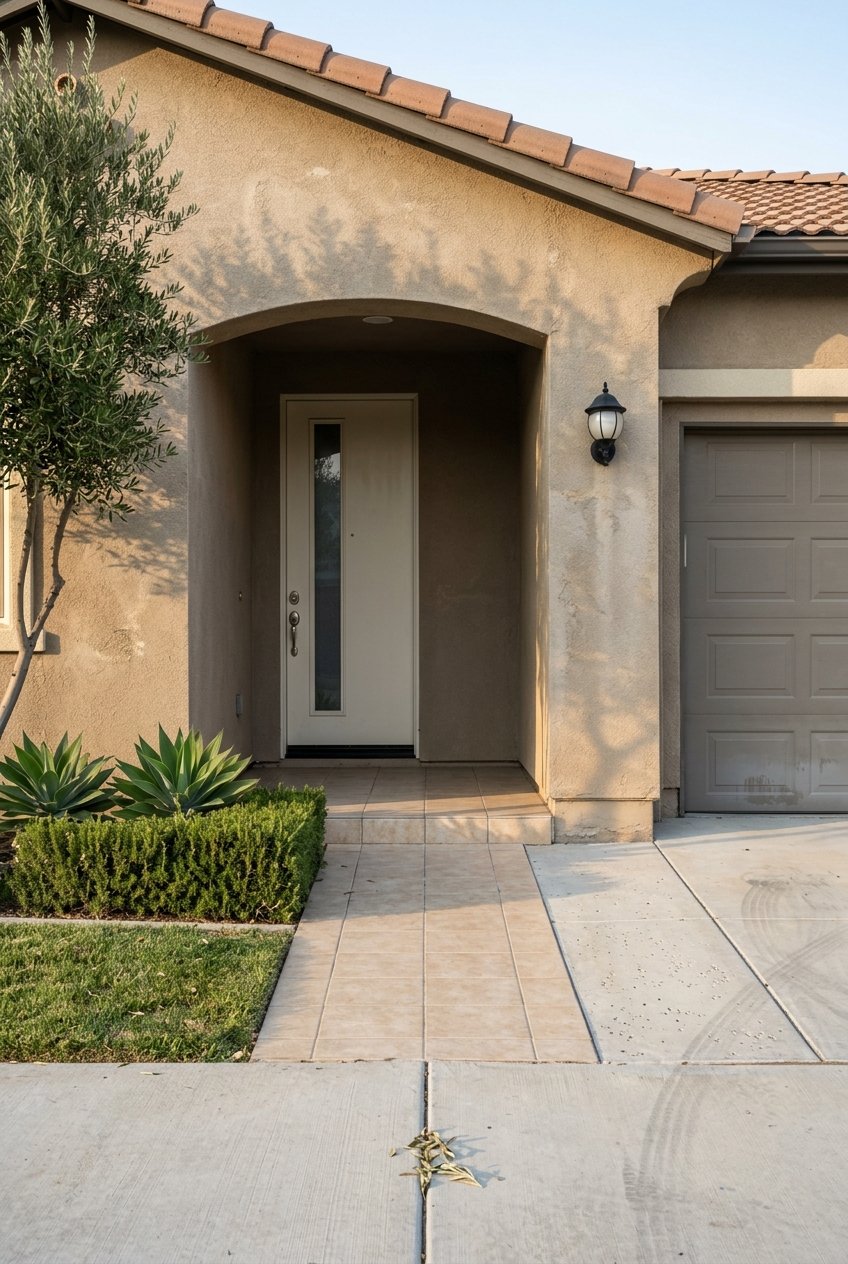
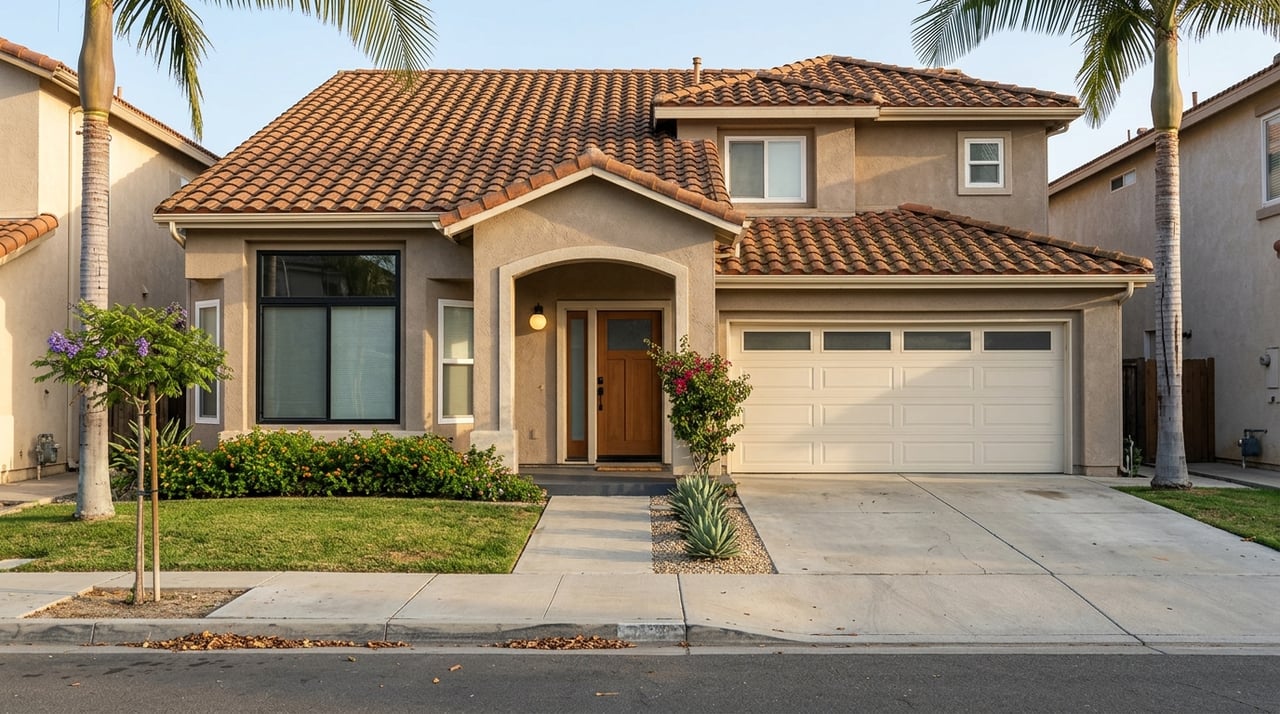
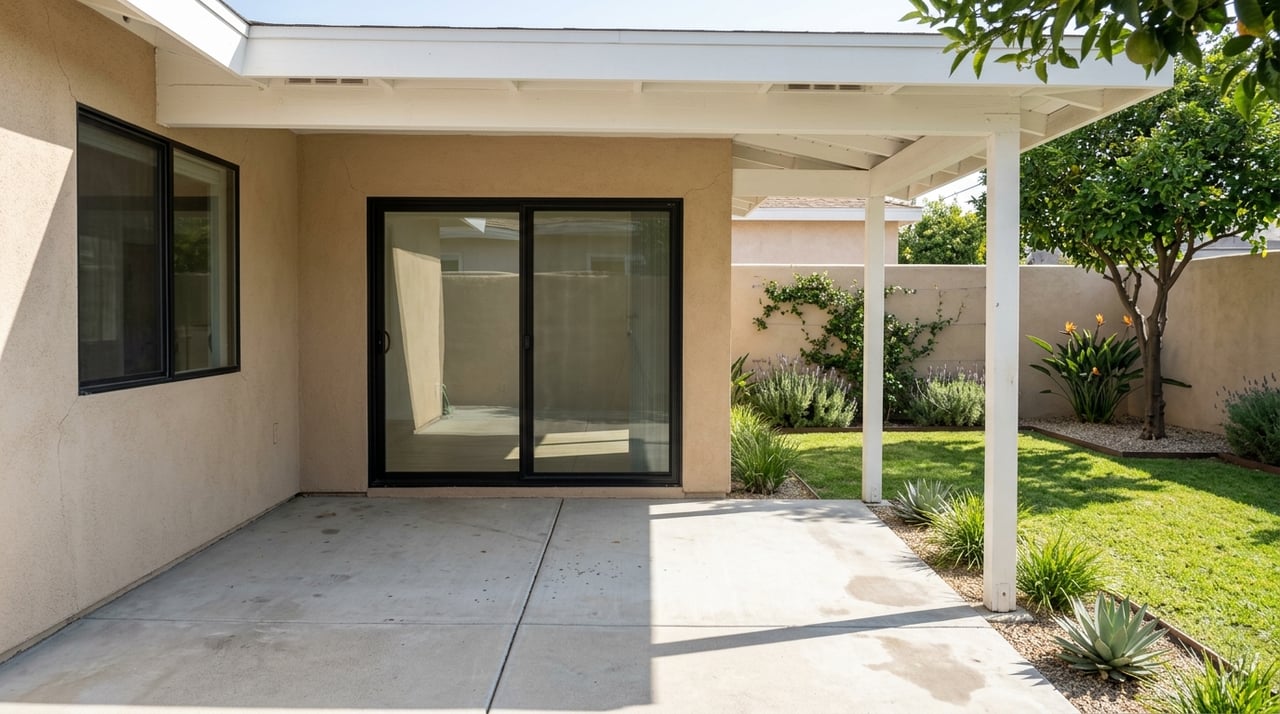
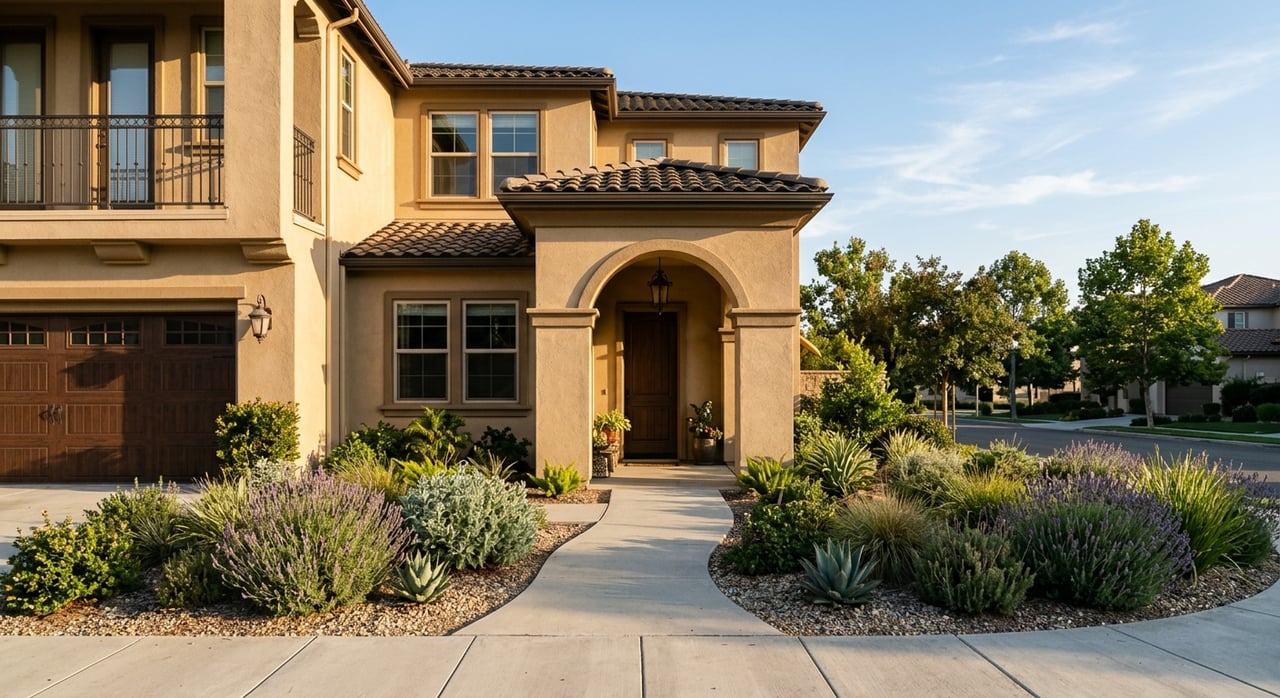
Norwalk’s housing stock is dominated by detached single-family homes. According to the city’s 2025 housing analysis, 74% of the city’s 27,695 housing units are detached homes. Attached homes, condos, larger apartment buildings, and mobile-home or other housing types make up a smaller share of the total inventory.
That matters because your choices may feel more grounded in traditional neighborhood housing than in dense new construction. It also means buyers looking for a condo or townhouse may have fewer options than buyers shopping for a detached home. At the same time, the variety that does exist can still give first-time and move-up buyers multiple entry points into the market.
Recent market snapshots place Norwalk in the low-to-mid $700,000s overall. Realtor.com reported a median listing price of $720,000 in April 2026, while Redfin reported a median sale price of $750,000 in March 2026. In short, you should expect a market that is active, competitive, and still more attainable than many higher-priced Los Angeles County areas.
By property type, the ranges are also useful for planning. Current data supports thinking about Norwalk as roughly a mid-$500,000s condo market, a high-$600,000s townhouse market, and an $800,000-ish single-family home market. Those are broad working ranges, not fixed price points, but they can help you set realistic expectations early.
A big part of Norwalk’s housing story is age. The city reports that 76% of owner-occupied homes were built from 1950 to 1979, and 17% were built before 1950. In the larger age breakdown, 93% of owner-occupied units and 78% of renter-occupied units were built before 1980.
For you, that can be both a benefit and a budgeting issue. Older homes often come with established lots, mature neighborhoods, and more traditional floor plans. But they may also require updates, repairs, or system improvements, so it is smart to factor that into your total housing budget from the start.
Yes, Norwalk is competitive. Realtor.com characterized the city as a seller’s market, with homes selling at about 101% of list price on average in March 2026. Redfin also reported homes selling in around 21 days and receiving about four offers on average.
That does not mean every home turns into a bidding war, but it does mean preparation matters. If you are relocating into Norwalk, you will want a clear budget, realistic expectations, and a quick decision process. In a market like this, timing and local guidance can make a real difference.
Transportation is one of Norwalk’s strongest selling points. The city is crossed by Interstate 5, Interstate 605 runs along its western boundary, and the 91 freeway is just to the south. This helps connect residents to a wide range of job centers and destinations across Southeast LA County and beyond.
Norwalk is still largely car-oriented, but it is not cut off from transit. The city lists the Norwalk Transit System, Dial-A-Ride, TAP access, and the Metrolink Norwalk/Santa Fe Springs Station. LA Metro also says the C Line runs between Norwalk and the LAX/Metro Transit Center, giving riders another regional connection point.
SCAG reports an average one-way commute time of about 30 minutes. It also notes that 48.5% of commuters spend more than 30 minutes getting to work, and 71.9% of households own two or more vehicles. Those numbers tell a simple story: many residents rely on driving, and regional travel is part of everyday life.
If you work in multiple parts of LA County or need flexible freeway access, Norwalk can be appealing. If your top priority is a highly walkable, transit-first lifestyle, you may want to compare Norwalk with a few denser alternatives before deciding. The city works best for buyers who value connectivity and practicality.
Norwalk does not depend on one major private employer. Instead, planning documents point to a stable mix of institutional employers, including Norwalk-La Mirada Unified School District, Cerritos College, Los Angeles County Registrar-Recorder, Metropolitan State Hospital, and the City of Norwalk.
That kind of employer base can support steady local demand for housing. It also gives buyers another reason to look at the city if they want to live near education, government, healthcare, or public-service employment centers. For many households, that blend of local jobs and regional freeway access is part of Norwalk’s appeal.
Norwalk offers a broad set of civic and recreational amenities for an established suburban market. The city lists an Aquatic Pavilion, Cultural Arts Center, Golf Center, Teen Center, parks, a senior center, a social services center, and facility reservation and program options. These are practical resources that can shape your day-to-day experience after move-in.
The city also identifies the public library and several commercial and civic areas as local assets. These include Norwalk Town Square, Imperial Highway, Pioneer Boulevard, Firestone Boulevard, the Civic Center/Entertainment District, Historic Front Street, and the Norwalk Transit Village. For buyers, this means daily errands, services, and activities are part of the local framework, not an afterthought.
If you work from home or need dependable internet for school, streaming, or hybrid work, this is another useful data point. The city’s housing plan says FCC data shows 100% coverage with fixed broadband facilities, along with multiple mobile broadband providers. That does not replace checking service at a specific address, but it is a strong sign for households that rely on connectivity.
Norwalk is largely served by the Norwalk-La Mirada Unified School District. The district says it serves 29 schools, and the California Department of Education lists enrollment at 14,032 for the 2025-26 school year. The district’s listed high schools include John Glenn High School, Norwalk High School, Southeast Academy High School, and El Camino Continuation High School.
If schools are part of your home search, it is always wise to confirm attendance details directly for any property you are considering. Boundaries, enrollment, and program availability can change. A home search should start with your needs and budget, then narrow based on the practical details that matter most to your household.
Norwalk can be a strong fit if you want central LA County access, established housing, and a community with useful civic amenities. It may especially appeal to buyers who are comfortable with older housing stock and want a more practical entry point into Los Angeles County homeownership. The city’s owner-occupied housing rate and single-family-heavy inventory also reflect a market with a strong residential base.
On the other hand, buyers who want newer construction or a larger selection of newer homes may find the options narrower here. That does not make Norwalk the wrong choice. It simply means your search should match what the city actually offers.
Before you buy in Norwalk, keep these points in mind:
If you want clear guidance on what is realistic in Norwalk, local insight matters. A focused strategy can help you move faster, avoid surprises, and choose the right fit for your budget and lifestyle.
When you are ready to explore Norwalk or compare it with nearby Southeast Los Angeles communities, Celeste Castillo can help you navigate the market with clear communication, local knowledge, and hands-on support.
Stay up to date on the latest real estate trends.
Backed by years of success and experience, I’m here to deliver results that exceed your expectations. Contact Celeste today to navigate the journey of buying or selling with confidence.