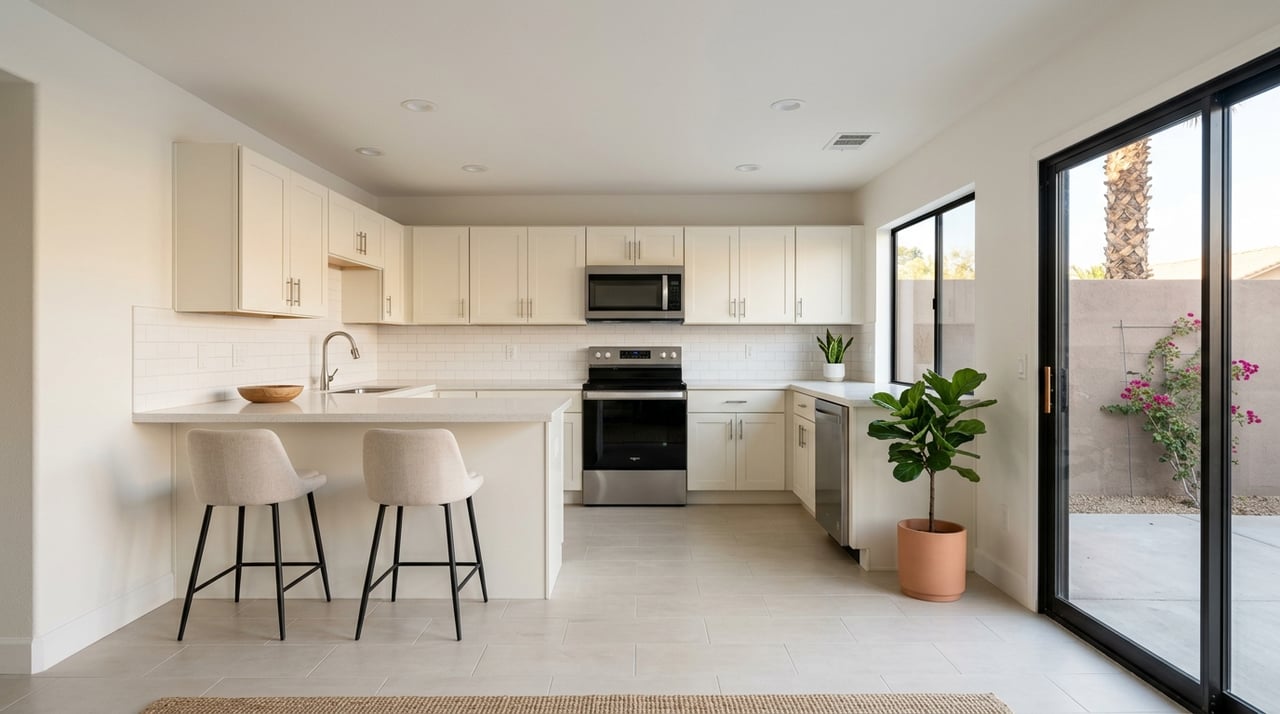
From Prep To Close: Selling A Home In South Gate
June 11, 2026
June 11, 2026
If you are thinking about selling your home in South Gate, timing and preparation matter more than ever. Buyers are still active, but they are paying attention to price, condition, and how smoothly a sale is handled. When you understand what to do before you list, what to expect during showings and negotiations, and how escrow works in California, you can move forward with more confidence. Let’s dive in.
South Gate remains a competitive market in spring 2026, but it is not the kind of market where every home flies off the shelf in a weekend. Recent market data shows median sale prices around the mid-$600,000s, with homes taking a median of 55 days to sell and sale-to-list ratios hovering around 99.8% to 100%. That tells you buyers are still willing to pay near asking when a home is priced well.
At the same time, pricing discipline matters. About 21% of South Gate homes had price drops in April 2026, which is an important reminder that overpricing can cost you time and momentum. In this market, a smart launch often beats an ambitious starting price.
A strong sale usually begins before your home hits the market. The more organized you are at the start, the fewer surprises you are likely to face once buyers begin asking questions. This is especially important in California, where disclosures are a major part of the selling process.
Before listing, it helps to gather all the records you already have for the property. That can include repair invoices, permits, warranties, appliance information, and any past inspection reports. If work was done without permits or there are known issues with the home, those details should be identified early so you can make informed decisions about how to proceed.
California's disclosure rules are front-loaded. The seller's agent must provide the statutory disclosure form to the seller before entering into the listing agreement, and the Transfer Disclosure Statement, often called the TDS, must be delivered to the buyer as soon as practicable and before title transfers.
The TDS is not a warranty. It is a disclosure of the property's condition and known issues. It is meant to address physical conditions, defects, environmental hazards, and unpermitted alterations or repairs, so having your paperwork ready can make the process clearer and faster.
If your home was built before 1978, lead-based paint disclosure rules may apply. In that case, sellers must disclose known lead hazards, provide the required pamphlet, and allow buyers 10 days to inspect for lead hazards in most covered properties.
This is one more reason to start preparing early instead of waiting until you have an offer in hand. Missing or delayed disclosures can create extra decision windows for the buyer later in the transaction.
If you are selling a condo, townhome, or another property in a common-interest development, expect an extra paperwork step. California requires sellers to provide HOA-related documents before transfer, including governing documents, recent budget and assessment information, unresolved violation notices, and in some cases recent board minutes if requested.
That HOA package can take time to order and review. Building that into your timeline can help you avoid delays once you are under contract.
South Gate is still a seller-friendly market, but buyers are not ignoring the numbers. With homes selling close to asking rather than far above it, your pricing strategy needs to be grounded in current comparable sales and active competition. That includes not only nearby houses, but also attached homes and small multi-family properties that may be attracting overlapping buyers.
A well-priced home can create stronger early interest, which is often where you have the most leverage. If your first few weeks on market are slow, a timely price adjustment may be more effective than waiting and hoping demand picks up on its own.
When a home enters the market at the right price, buyers are more likely to see it as a serious opportunity. When it starts too high, buyers may skip it, assume the seller is unrealistic, or wait for a reduction. In a market where many homes still close near list price, the goal is not to chase attention with a high number. The goal is to attract the right buyers quickly.
This is where hands-on local strategy matters. Reviewing comparable sales, current competition, and buyer feedback can help you protect value without adding unnecessary market time.
South Gate's buyer pool is broad. Inventory includes single-family homes, condos, townhouses, and multi-family properties, which means your listing may appeal to first-time buyers, extended-family households, or investors depending on the property type and layout.
That variety makes clear marketing especially important. Buyers need to understand the home, the showing process, and the next steps without confusion.
South Gate has a highly multilingual population, with a large share of residents speaking a language other than English at home. That makes bilingual outreach, simple showing instructions, and responsive follow-up especially useful for helping buyers engage with a listing.
Clear communication is not just a nice extra. It can reduce friction, improve showing attendance, and help buyers feel comfortable taking the next step.
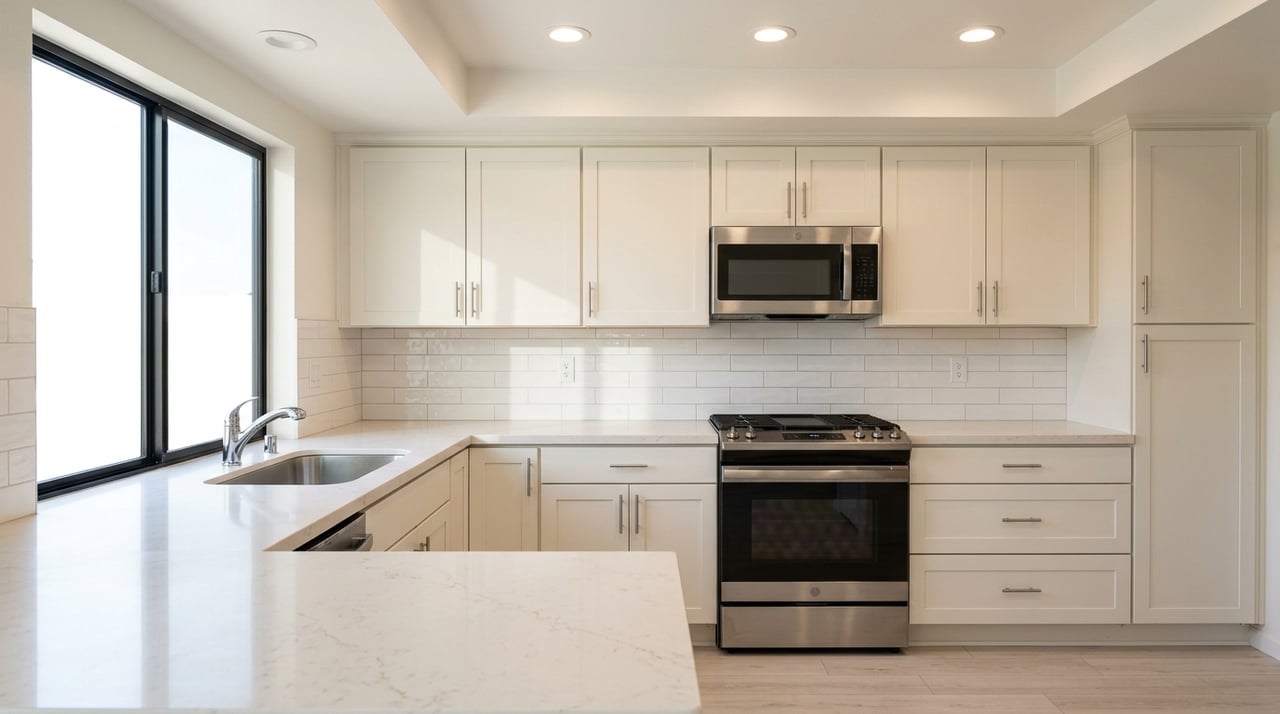
Polished listings tend to perform better because they make it easier for buyers to picture how the property works for their needs. That can include basic decluttering, light staging guidance, clean photography, and making sure the home is ready for showings.
For many sellers, this phase is where stress starts to rise. A structured prep plan helps you handle one step at a time and launch with fewer loose ends.
Once your home is active, showing coordination becomes part of the sales strategy. Buyers are comparing multiple options, so a home that is easy to show and easy to understand has an advantage.
Try to keep access instructions straightforward and the property presentation consistent. If buyer agents or buyers have questions, fast and clear responses can help maintain momentum.
The first round of showing activity often tells you a lot. If buyers are visiting but not writing offers, the issue may be condition, presentation, or pricing. If showings are light from the start, pricing or marketing may need attention quickly.
In South Gate's current market, waiting too long to react can cost valuable time. Early feedback is useful because it helps you make adjustments while your listing is still fresh.
Accepting an offer is a major milestone, but it is not the end of the work. In California, escrow is a coordination process that involves deadlines, documents, title questions, and financial details that all need to come together before closing.
The escrow officer acts as a neutral party. That person handles accounting, requests payoff demands and lien releases, and helps ensure that conditions are met before funds are transferred and documents are recorded.
A smooth closing often depends on how quickly sellers respond. Title questions, HOA requests, payoff statements, and repair discussions can all affect timing.
When disclosures, inspection records, and association documents are already organized, escrow usually feels more manageable. Staying responsive can help reduce friction and keep the transaction moving toward closing day.
South Gate sellers should also account for documentary transfer tax in their closing figures. Los Angeles County currently imposes documentary transfer tax at $0.55 per $500 of consideration, and the county recorder indicates that additional city transfer taxes apply only in certain cities. South Gate is not listed among those cities, so South Gate sales generally appear to be subject to the county rate only, though escrow should confirm the exact parcel and transaction structure.
That kind of detail matters because your net proceeds are shaped by more than just the sale price. Closing costs, payoff amounts, and tax-related charges all play a role in the final number.
Selling a home in South Gate is not just about putting a sign in the yard and waiting for offers. It is about preparing disclosures early, pricing with discipline, marketing clearly, and staying organized all the way through escrow. In a market where buyers remain active but selective, that combination can help you protect your value and reduce unnecessary stress.
If you want a sale that feels informed, supported, and well managed from prep to close, working with a detail-oriented local expert can make a real difference. For personalized guidance on selling in South Gate, connect with Celeste Castillo.
Stay up to date on the latest real estate trends.
Backed by years of success and experience, I’m here to deliver results that exceed your expectations. Contact Celeste today to navigate the journey of buying or selling with confidence.