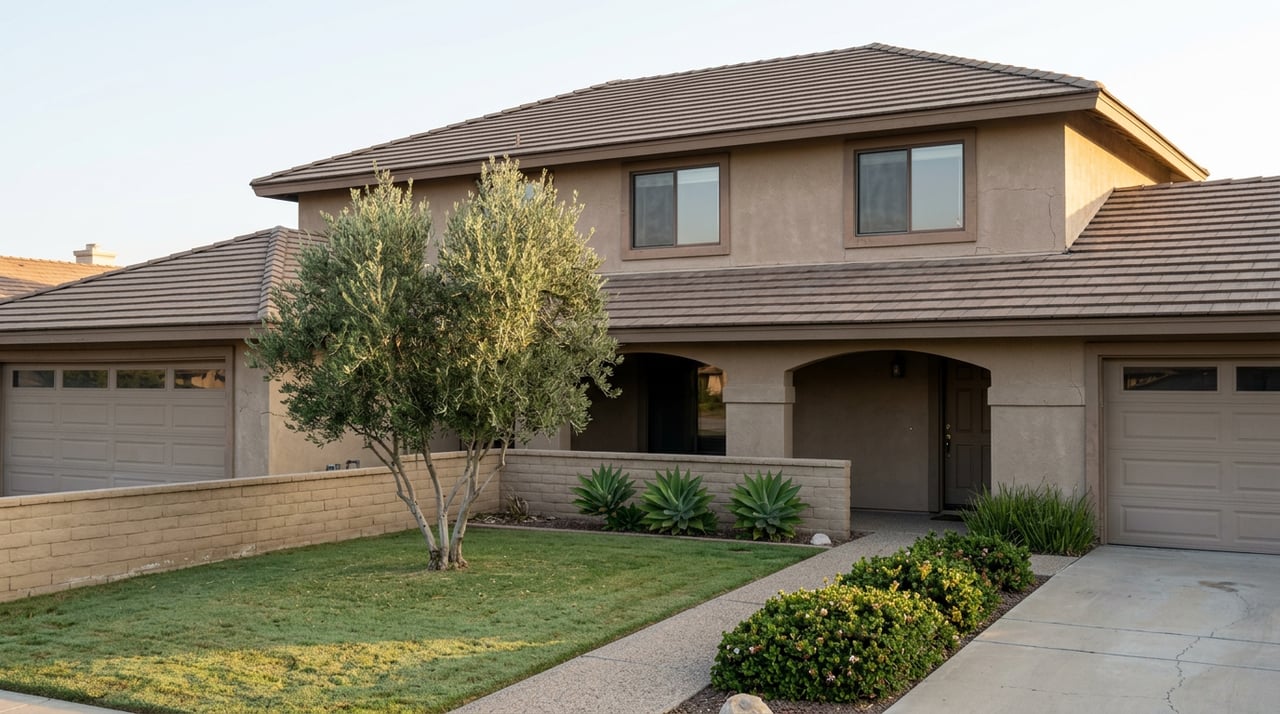
Is a condo with an HOA more affordable than a single-family home without one in Long Beach? It depends on more than the purchase price. HOA dues, reserves, and special assessments change your monthly payment and can even affect the loan you qualify for. You want a clear picture before you fall in love with a home.
This guide breaks down how HOAs work in Long Beach, what the true costs look like, and how lenders view them. You will learn the key documents to review, common red flags, and smart ways to negotiate. Let’s dive in.
HOA vs. no HOA in Long Beach
HOAs are private associations that manage shared property and community rules in condos, many townhomes, and some planned neighborhoods. Dues pay for operations, maintenance, reserves, and master insurance. The HOA enforces CC&Rs, rules, and bylaws.
Non-HOA homes leave exterior maintenance, landscaping, and amenities to you. You follow city codes rather than private CC&Rs.
Long Beach has many HOA communities near downtown and the waterfront, plus plenty of single-family neighborhoods with little or no HOA. In California, HOAs operate under the Davis-Stirling Common Interest Development Act, which sets the rules for budgets, reserves, elections, records, assessments, and more.
Cost components that hit your budget
Understanding what you pay for with an HOA helps you compare apples to apples.
- Regular HOA dues: cover management, common-area utilities, maintenance, and contributions to reserves.
- Reserve contributions: part of dues saved for big-ticket replacements like roofs, elevators, and paving. Strong reserves lower the risk of surprise bills.
- Special assessments: extra charges for major repairs or when reserves fall short. These can be one-time or spread over months.
- Master insurance: the association insures common areas and the building shell in many condos. You still need an HO-6 policy for interior, personal property, liability, and loss assessment coverage.
- Utilities and services: some HOAs include water, trash, gas, cable or internet. Others do not.
- Maintenance trade-offs: HOAs can make your expenses more predictable because exterior and common areas are budgeted by the association.
How dues affect monthly affordability
Lenders include HOA dues in your housing payment when they calculate your debt-to-income ratio. That means dues reduce the mortgage amount you can qualify for at a given income level.
- Simple example: If you can qualify for a $3,000 monthly housing budget, and dues are $300, you have roughly $2,700 left for principal, interest, taxes, and insurance. That lowers your maximum loan size.
- Known special assessments may also be counted in underwriting if you will be responsible for them.
The key is to look at total cost of ownership and not just the list price.
Insurance and utilities: who pays what
Confirm what the HOA’s master policy covers and what falls to you. Ask about the master policy deductible, because some CC&Rs require owners to share in that cost after a claim. Also verify which utilities are included in dues and which are separate.
Note on taxes: for most primary homeowners, HOA dues are not tax-deductible. If you buy the unit as a rental, dues are generally deductible as an expense. Always confirm with a tax professional.
Mortgage impacts and condo approval
HOA dues are part of your qualifying payment. Lenders will also ask for project information when you buy a condo or certain townhomes.
- Project approval: many loan programs require the HOA community to meet guidelines for budget health, reserves, insurance, litigation, owner-occupancy, single-entity ownership limits, commercial space, and HOA delinquency rates.
- Program differences: FHA, VA, and conventional loans (Fannie Mae and Freddie Mac) each have specific project review standards. Rules change over time, so check with your lender early.
- If a project fails approval: some loan products may be unavailable. You might face higher down payment requirements, a higher rate, or more documentation. In some cases, a lender may deny the loan for that project.
Condos often face stricter scrutiny than single-family homes because the HOA’s financial health directly affects building maintenance and marketability.
Due diligence checklist for Long Beach buyers
Ask for these items during your inspection period so you can verify costs and risk:
- Current-year HOA budget and year-to-date financials.
- Latest reserve study and the schedule of major components.
- Board meeting minutes from the last 6 to 12 months.
- CC&Rs, bylaws, and rules and regulations.
- Estoppel or resale certificate confirming dues, delinquencies, transfer fees, and any assessments.
- Certificate of insurance or master policy summary, including deductibles.
- Written details on any approved or proposed special assessments and the payment schedule.
- Owner-occupancy rate, investor concentration, and dues delinquency percentage.
- Litigation disclosures for any claims against the HOA or developer.
- Management agreement and major vendor contracts, if applicable.
Red flags to watch
- Low or no reserves combined with aging components.
- High HOA delinquency rates.
- Pending or recent litigation involving construction defects or safety issues.
- Multiple special assessments in recent years.
- Very large master policy deductibles or unclear coverage.
- Rental restrictions or very low owner-occupancy that can limit resale or loan options.
Local steps in Long Beach
- Review Long Beach municipal codes and any overlay zones that affect renovations, rentals, or permits.
- Ask how the HOA coordinates with the city on permits for common-area work and street or parking projects.
- If possible, attend a board meeting or review detailed minutes to understand the community’s governance style and upcoming projects.
Scenarios: when HOA or no HOA fits
Choosing an HOA can be a win when you value predictable maintenance and shared amenities, and you are comfortable budgeting a set monthly fee.
- Good fit for: busy professionals, frequent travelers, and buyers who prefer less exterior upkeep.
- Benefits: planned maintenance, amenities like pools or gyms, and shared costs for big items.
Choosing no HOA can be better if you want full control and fewer fixed fees.
- Good fit for: buyers planning exterior renovations or who want to avoid CC&R restrictions.
- Investors: always confirm rental rules first. Some HOAs limit or prohibit certain rental types.
Negotiation plays that save you money
- If a special assessment is approved or imminent, request a seller credit to cover it.
- Ask for recent reserve studies and minutes early. If you find issues, renegotiate price or request an escrow holdback.
- If project approval affects your financing, ask the seller to help with a rate buydown, closing costs, or consider a portfolio lender option.
A simple, total-cost mindset
To compare a condo with HOA to a house without one, add up the full picture:
- Mortgage principal and interest
- Property taxes
- Homeowner’s insurance or HO-6 policy
- HOA dues and any known assessments
- Utilities not covered by the HOA
- Ongoing maintenance or reserves you set aside personally
This approach helps you see real monthly affordability and your cash cushion for surprises.
Sample buyer workflow
- Pre-offer: get preapproved with estimated HOA dues included. Ask your lender about project review requirements for your loan type.
- Offer period: make your offer contingent on reviewing the estoppel or resale certificate, budget, and reserve study.
- Inspection/escrow: read board minutes, confirm insurance details and deductibles, speak with management about upcoming projects, and verify any assessments.
- Closing: confirm prorations, transfer fees, and that no additional assessments will be imposed before close. Keep copies of all HOA documents for your records.
Choosing between HOA and non-HOA living in Long Beach is not just about lifestyle. It is about the monthly math, your loan options, and your tolerance for risk. If you want help comparing actual costs for a specific property and navigating HOA documents, connect with Celeste Castillo for a clear plan from offer to close.
FAQs
What are HOA dues and what do they cover?
- HOA dues fund operations, maintenance, reserves, and master insurance for shared areas, and they may include some utilities depending on the community.
How do HOA dues affect my mortgage qualification in Long Beach?
- Lenders add dues to your monthly housing payment for debt-to-income calculations, which can reduce the loan amount you qualify for at a given income.
What is a special assessment and when should I worry?
- A special assessment is an extra charge for major repairs or reserve shortfalls; you should plan for it if reserves are low or large projects are pending.
What HOA documents should I review before buying a condo?
- Review the budget, year-to-date financials, reserve study, CC&Rs and rules, board minutes, insurance summary, and an estoppel or resale certificate.
Why do lenders care about condo project approval?
- Approval checks the HOA’s financial health, insurance, litigation, and ownership mix; if a project fails, some loan programs may be unavailable or cost more.
Are HOA dues tax-deductible for homeowners in California?
- For most primary homeowners they are not deductible, but they are generally deductible as expenses for rental properties; consult a tax professional.