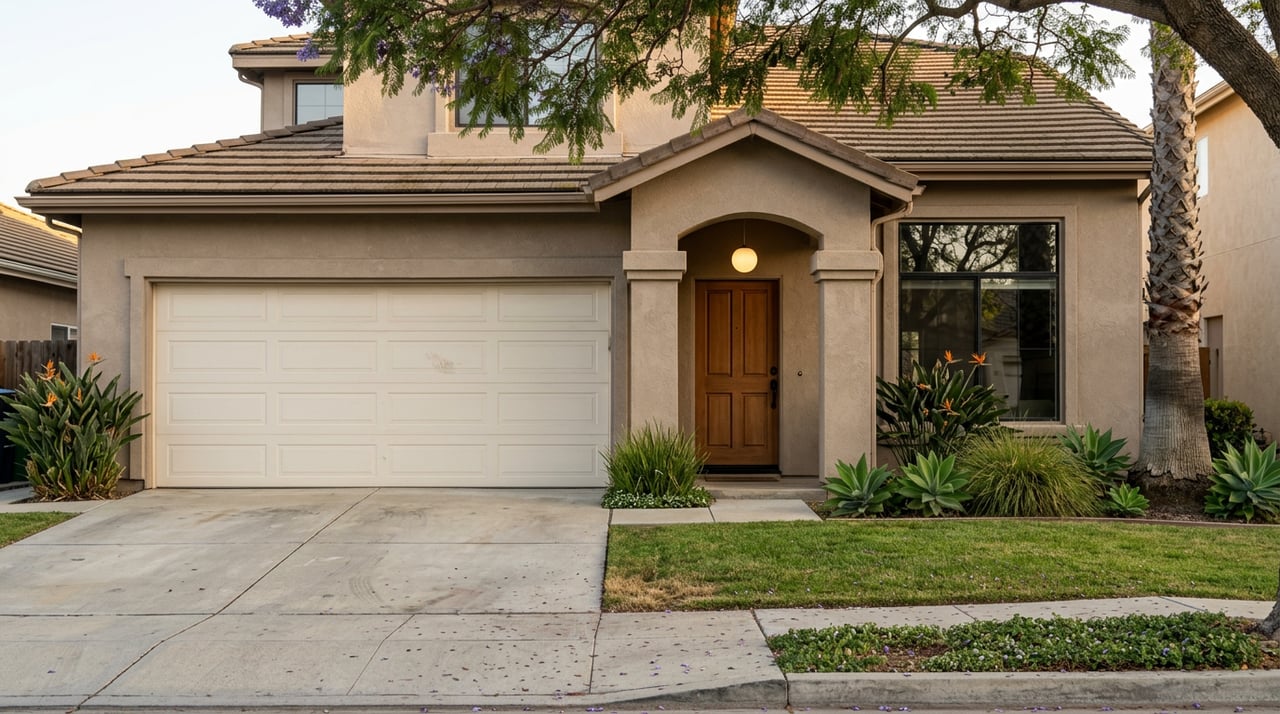
Your Living in Whittier Guide to Neighborhoods and Lifestyle
March 24, 2026
March 24, 2026
Thinking about a move to Whittier and wondering what day-to-day life actually feels like? You are not alone. With its historic core, hillside trails, and strong community rhythm, Whittier blends small-city comfort with big-county access. In this guide, you will learn how the neighborhoods differ, how local schools are organized, where people spend their weekends, and what commuting looks like. Let’s dive in.
If you want a walkable scene with cafés, shops, and community events, start with Uptown around Greenleaf Avenue and Philadelphia Street. You will find independent restaurants, a weekly market, and historic architecture near Whittier College. The city’s Greenleaf Promenade effort aims to make the streetscape even more pedestrian friendly, which can enhance everyday errands and dining out. You can follow the city’s Greenleaf Promenade updates to see how the project is shaping the core.
What you will see housing-wise: early 20th-century homes, a few small multi-unit properties, and newer townhome infill. Prices vary block by block depending on size, condition, and proximity to the action.
East and northeast of the core, the hill neighborhoods offer curving streets, larger lots, and wide views. Friendly Hills centers around a private country club and has many larger single-family homes. Mar Vista Heights and surrounding hillside pockets appeal to anyone who values quiet streets and quick trail access into the Puente Hills. You will find midcentury styles, renovated properties, and some estate-scale homes.
Near the Arroyo Pescadero and Puente Hills trailheads, you will find neighborhoods where a sunrise hike or evening hill walk can be part of your routine. Buyers who picture weekend miles on dirt paths often narrow their search to these trail-adjacent streets. The Puente Hills Habitat Preservation Authority manages nearby preserves and trail access, which helps maintain the natural feel of this edge of the city.
Blocks around the college sit close to Uptown while feeling a bit more residential. You will see a mix of historic homes and tree-lined streets. Cultural stops like the Whittier Historical Society and the Bailey House sit in or near these blocks, which adds to the sense of place.
Farther south and west, the city shifts to a more suburban rhythm with shopping centers and a wide range of housing types. In some pockets, prices trend lower than the hill neighborhoods or the most walkable streets near Uptown. You will also see newer multi-unit development along main corridors. If you want a traditional suburban setup near everyday conveniences, add these areas to your shortlist.
Whittier families navigate a few districts. Elementary schools are primarily served by Whittier City School District and East Whittier City School District, while high schools fall under Whittier Union High School District. Boundaries can change and do not always align with common neighborhood names, so it is important to verify a specific property’s assigned schools before you write an offer or list your home.
For objective district and campus data, use the California Department of Education’s official profiles. You can start with the state’s district profile portal for enrollment and performance context, then click through to individual schools from there. Review the state’s published district profiles on the California Department of Education site for current details.
A few general orientation points to help you map things:
If you are comparing campuses, look at:
Always confirm the latest boundaries with the district office or the school directly before you rely on an assignment for your move.
You will find a healthy mix of parks, preserves, and neighborhood green space throughout the city. Parnell Park is one of the best-known family parks with a storybook zoo and community facilities. The city is completing a multi-phase Parnell Park renovation, which can affect access and timelines for certain amenities, so it is smart to check the latest city update page before you plan a visit.
If you love to hike, the Puente Hills Habitat Preservation Authority oversees preserved open space along Whittier’s eastern edge. Popular routes connect trailheads like Arroyo Pescadero, Sycamore Canyon, and Workman Hill. The preserves offer short out-and-backs and longer loops, so you can choose a route that fits your time and fitness level.
For everyday walking or biking in town, the Whittier Greenway follows a former rail corridor through the city and links parks, schools, and commercial zones. It is a practical way to add fresh air to your day or run a quick errand without getting in the car. You can preview regional paths, including the Greenway, using statewide walking trail resources.
Cultural stops round out weekend plans. The Whittier Museum and the Victorian Bailey House offer a local history lens and a low-key way to spend an afternoon.
Uptown is the heart of Whittier’s food and culture scene. You will find independent cafés and restaurants lining Greenleaf and Philadelphia, plus brewery and food-hall style spaces. For example, the Poet Gardens concept celebrated Whittier’s local ties and helped anchor a modern gathering spot in the historic core. A weekly farmers market and seasonal events add energy, often closing streets to cars and turning the area into a community plaza.
For everyday errands and bigger box stores, you will find clusters along Whittier Boulevard and in local shopping centers. It is easy to combine a weeknight grocery run with a quick bite nearby. Many residents split weekends between Uptown strolls, neighborhood parks, and a night out at a local spot.
Whittier is car-forward for most regional trips. Community profiles place the mean travel time to work in the high 20-minute range, which lines up with a mid-county location and a mix of Los Angeles and Orange County commutes. Keep in mind that drive times vary by hour and by route, so plan for peak congestion when you can.
There is no Metro Rail stop in the city. Many commuters who want rail access use the Norwalk – Santa Fe Springs Metrolink station, which is a short drive or feeder bus ride away. You can learn more about regional rail options on the Metrolink site and plan transfers to connect with Downtown Los Angeles or other hubs. Local and regional buses serve major Whittier corridors, and the city has piloted the Whittier Cruiser microtransit service to connect neighborhoods and transit nodes. Check the latest city updates for service zones and hours.
For daily flexibility, most residents rely on a car, then layer in walking and biking on neighborhood streets and the Greenway. If you value a quick freeway on-ramp, expect the I-605 to be your primary north-south connector, with access to the 5, 60, and 91 within a reasonable drive depending on traffic.
Whittier’s housing stock ranges from early Craftsman and Spanish Revival near the historic core to midcentury ranch homes, larger hillside properties, and newer townhome infill. This variety gives you options whether you want a classic bungalow near cafés or a view home near trailheads.
Recent market trackers in late 2025 through early 2026 placed the citywide median sale price for single-family homes roughly in the mid 800-thousand range, often cited around 800 to 850 thousand. Prices shift by neighborhood and by home condition. Since numbers move quickly, it is best to check live MLS data when you are ready to act and align your budget with the street-level realities of your preferred area.
A clear plan keeps you focused and reduces stress. Use this simple checklist to get started:
When you are ready, a local advisor can help you compare streets, confirm school details, and plan your strategy.
Ready to explore homes or sell in Whittier with a clear, low-stress plan? Connect with Celeste Castillo for hands-on guidance and a tailored strategy that fits your goals.
Stay up to date on the latest real estate trends.


Backed by years of success and experience, I’m here to deliver results that exceed your expectations. Contact Celeste today to navigate the journey of buying or selling with confidence.