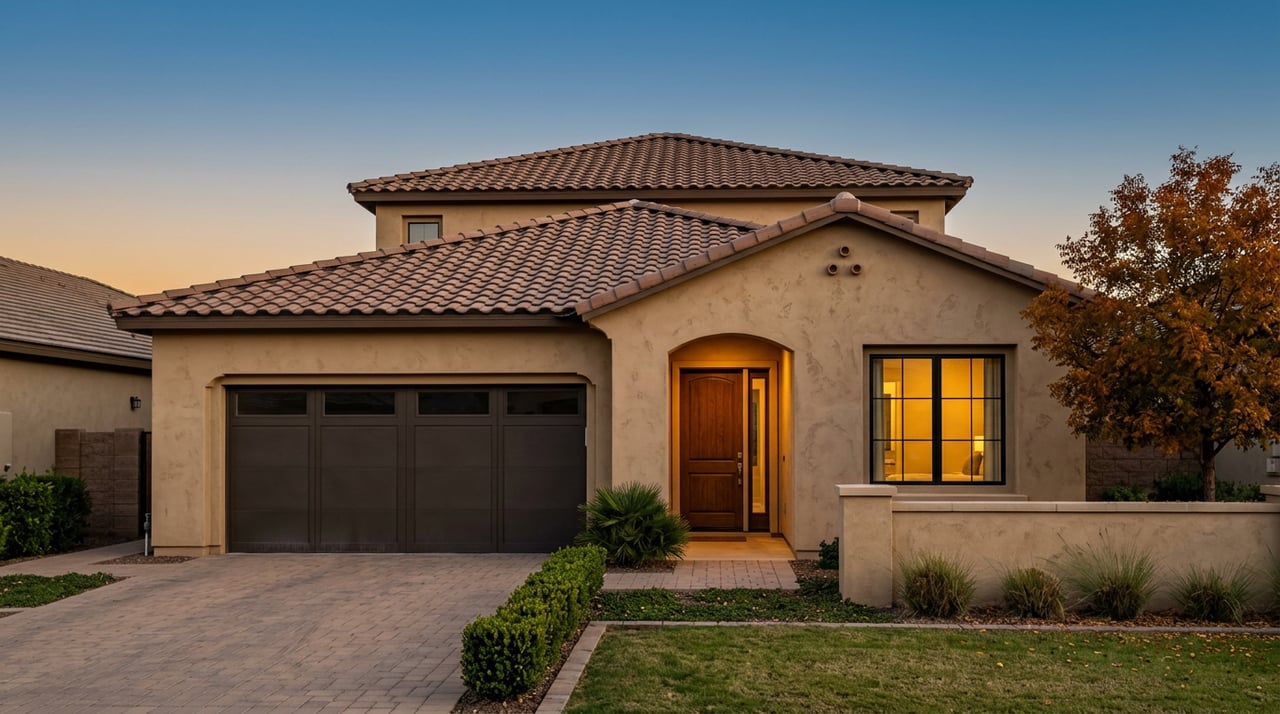
The 10 Freeway Splits Mid-City's Home Prices, and the New Subway Just Made the Split Permanent
September 24, 2026
September 24, 2026
Search "Mid-City Los Angeles homes for sale" on any national portal and you get one number back. One median. One price-per-square-foot. One neighborhood, treated as one market.
It isn't one market. It's two, and the line between them is a stretch of concrete most buyers drive over without noticing: the 10 Freeway.
North of the 10, in ZIP code 90019, the median home price sat near $1.29 million as of July 2026, at roughly $750 per square foot. South of the 10, in 90016, the median was closer to $910,000 at about $610 per square foot. That's a gap of nearly $380,000 and $140 a square foot inside a neighborhood most people describe with a single sentence. If you've only seen the blended number, you've been looking at an average of two different housing markets and mistaking it for one.
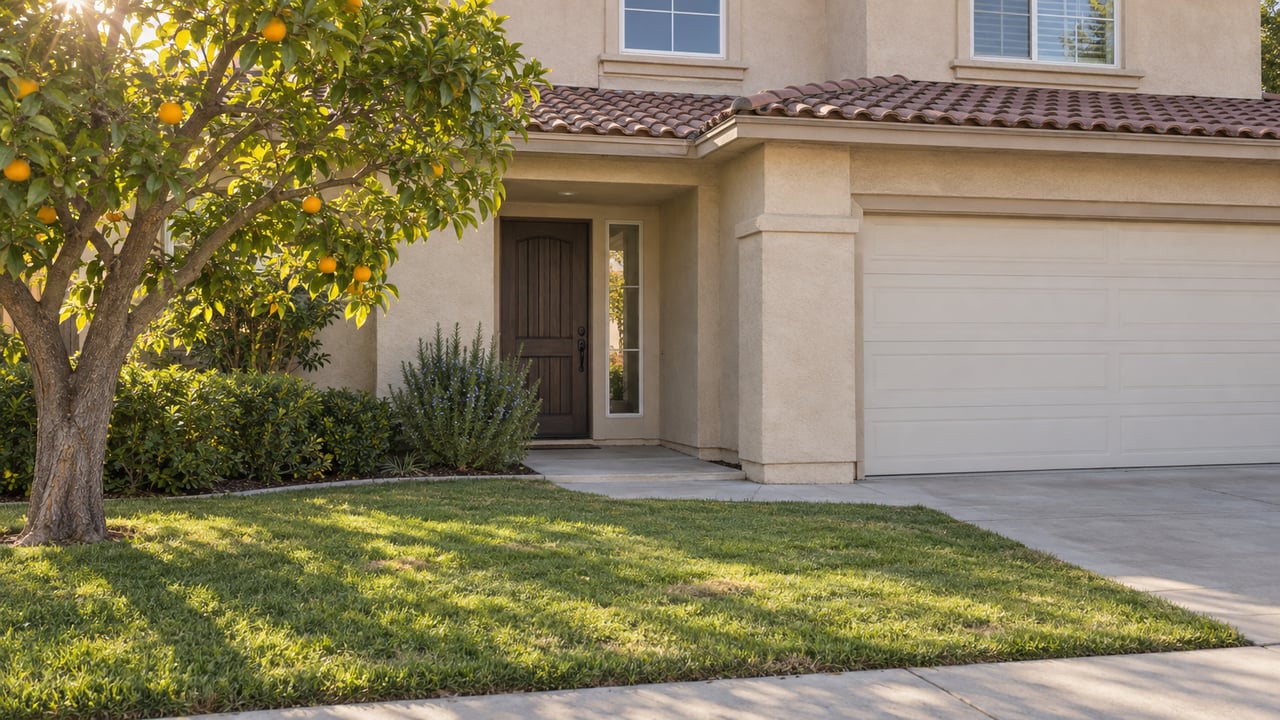
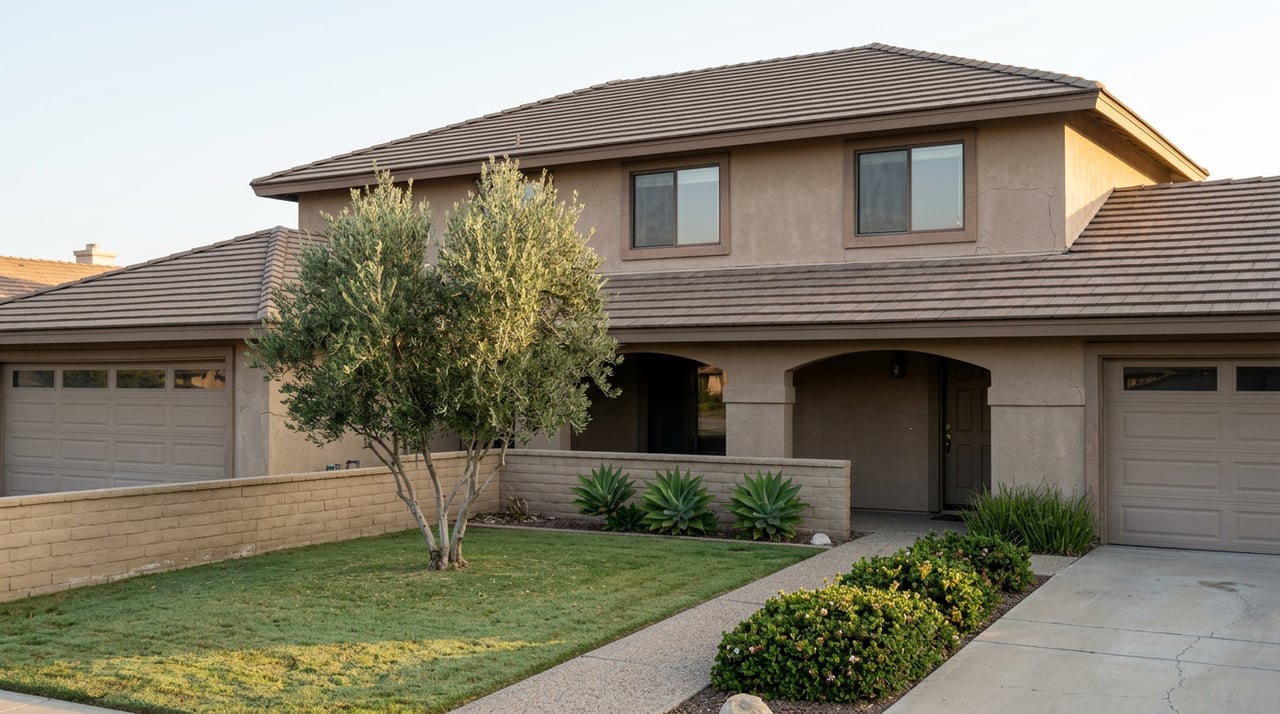
The price split isn't new, and it isn't only about the freeway itself. Mid-City North, roughly bounded by the 10 and Beverly Boulevard, is built out with well-preserved Spanish Colonial Revival homes and 1920s and 1930s character properties, concentrated in sub-pockets like Faircrest Heights and Victoria Park. Mid-City South, locally called Mid-City Heights, sits below the freeway with a different housing stock and a lower entry point. On the ground, homes.com listed the range for the area running from fixer-uppers in the low $500,000s and low $800,000s up to bungalows and smaller Spanish-style homes between the mid-$800,000s and about $1.7 million, which tells you the two ZIPs aren't just priced differently, they're built differently.
That's the first layer. The second layer is newer, and it's the one that turned a soft price gap into something a lot more concrete.
On May 8, 2026, Metro's D Line Subway Extension opened its first section, adding three new underground stations along Wilshire Boulevard: Wilshire/La Brea, Wilshire/Fairfax, and Wilshire/La Cienega. The Wilshire/Fairfax stop sits within walking distance of LACMA, the La Brea Tar Pits and Museum, the Academy Museum of Motion Pictures, the Petersen Automotive Museum, and Craft Contemporary, with The Grove and the Original Farmers Market a short walk or bus ride beyond that. Wilshire/La Brea sits right at the edge of Mid-City North.
According to FOX 11 Los Angeles, Mayor Karen Bass said at the opening ceremony that the line would give Angelenos "new doors to some of the most iconic places in our city." That's not marketing language from a listing description. It's a description of a transit stop that now sits inside one ZIP code's walkshed and not the other's.
Here's the part that actually matters for a buyer: the July 2026 price gap between 90019 and 90016 was measured after a decade of construction, tunnel boring, and public announcements about exactly where these stations would land, and after trains had begun carrying paying riders. Although the July figures came after service began, buyers had years to account for the stations' locations. The May opening confirmed expectations that had already been reflected in prices.
| Mid-City North (90019) | Mid-City South / Heights (90016) | |
|---|---|---|
| Median price (July 2026) | ~$1.29 million | ~$910,000 |
| Price per square foot | ~$750 | ~$610 |
| Nearest D Line stop | Wilshire/La Brea (opened May 2026) | No direct station within the ZIP |
| Typical housing stock | Spanish Colonial Revival, 1920s-30s character homes | Mixed-era stock, lower entry price |
| Walk to major cultural anchors | LACMA, The Grove, Original Farmers Market | Not within comparable walking distance |
If you're pricing a home, or pricing your own offer, which side of that table you're standing on changes the conversation entirely.
There's a third wrinkle worth knowing before you trust any single figure a portal hands you. Not every site draws Mid-City's boundary the same way. One national listing platform's Mid-City figures, pulled from a boundary that includes ZIP codes 90016, 90019, 90034, and 90035, put the median sale price near $1.399 million as of February 2026, a number pulled upward by 90034 and 90035, which border pricier Beverlywood and Pico-Robertson turf. A separate blended read of core Mid-City listings in August 2026 put the median list price at $1.08 million and $589 per square foot, down 7 percent year over year, a figure that sits below either ZIP-level median because it mixes condos, fixer-uppers, and full remodels into a single average.
None of these numbers is wrong. They're each measuring a different shape of "Mid-City." For a buyer, the practical lesson is simple: the moment you see a median for this neighborhood, ask which boundary produced it, because the boundary is doing as much work as the price.
For scale, Los Angeles County's own median sat at $888,120 in July 2026. Mid-City South, at roughly $910,000, tracks close to that countywide figure. Mid-City North, at $1.29 million, sits well above it, priced closer to a Westside submarket than a countywide average.
If you're weighing Mid-City North against Mid-City South as part of a broader neighborhood search, the freeway and the subway are doing two different jobs. The freeway explains the historic gap in housing stock and character. The new stations explain why that gap has widened rather than closed as construction wrapped and the line went live.
That doesn't make the south side a lesser option. It makes it a different one, with a lower entry point, a different housing era, and a walk to the platform that's currently longer than a resident on the north side would tolerate. A buyer who wants the museum row lifestyle and the shortest possible walk to a train platform is shopping a different market than a buyer looking for value and square footage south of the 10, even if both searches return the word "Mid-City" in the results.
Metro's own project page for the extension notes that two more phases are still coming: Section 2, tentatively opening in 2027, adds stations in Beverly Hills and Century City, and Section 3 reaches Westwood and the VA campus around the same time. Neither of those phases adds a station inside Mid-City South, which means the geography that's currently splitting these two ZIPs isn't likely to close on its own.
Does the freeway itself lower home values, or is it mostly about housing age? Both are doing work here. The 10 Freeway is a physical and historical dividing line that happens to separate two eras of housing stock, Spanish Colonial Revival and 1920s-30s character homes to the north, a different mix to the south. The freeway isn't a value penalty on its own so much as a marker for where one building era ends and another begins.
Will home prices in 90016 rise now that the D Line is running? There's no station inside 90016 today, and neither of Metro's upcoming phases changes that. Prices there will keep responding to the same fundamentals, housing stock, lot size, condition, and demand from buyers priced out of the north side, rather than to a transit amenity that isn't physically present in the ZIP.
If you're trying to figure out which side of Mid-City actually fits your budget and your priorities, or you're a homeowner in either ZIP wondering what this year's numbers mean for a potential sale, that's exactly the kind of question worth working through with someone who tracks these submarkets closely rather than trusting whichever boundary a portal happened to draw. Celeste Castillo works with buyers and sellers across Los Angeles County's Southeast submarkets and can walk you through what a specific block, not a blended median, is actually worth. Get your instant home valuation and start with real numbers instead of an average.
Stay up to date on the latest real estate trends.


Backed by years of success and experience, I’m here to deliver results that exceed your expectations. Contact Celeste today to navigate the journey of buying or selling with confidence.