Is winter a smart time to buy or sell in Long Beach? You’re not alone if you’re weighing the holidays, school schedules, or rate headlines before making a move. Winter in Los Angeles County does shift market activity, but in coastal cities like Long Beach, the changes are usually more modest. In this guide, you’ll learn what to expect from November through February, how Long Beach neighborhoods behave, and practical steps to time and price your move with confidence. Let’s dive in.
What drives winter trends in Long Beach
Long Beach sits within the broader LA County market, so countywide forces shape what happens locally.
- Mortgage rates: After rising through 2022–2023, 30‑year fixed rates in early to mid‑2024 hovered in the mid to high 6% range. Mortgage costs remain the biggest factor in affordability and buyer demand. Check the latest weekly averages on the Freddie Mac Primary Mortgage Market Survey.
- Employment and local economy: LA County’s job trends, wages, and sector mix influence household confidence and moves. Track monthly changes for the LA‑Long Beach‑Anaheim metro in the Bureau of Labor Statistics employment updates.
- Inventory and pricing: After the tight pandemic years, inventory rose in 2022–2023 and leveled off for many areas by 2024. In winter, the balance between new listings and active buyers determines whether prices flatten or nudge up. You can follow county-level snapshots on the California Association of Realtors market data page.
- Migration and rentals: Long Beach’s strong rental demand, university presence, and port economy support mixed buyer segments. The result is a winter market that usually stays active for well‑priced homes, even as casual shoppers step back.
What to expect from November through February
Inventory pattern
New listings typically slow in late November and December. Active inventory can hold steady or tick up in December and January if sales pace softens, then new listing flow usually rebounds by late January or February. Fewer listings can help sellers if demand holds, but a slower buyer pool may reduce the odds of multiple offers.
Monitor: new listings, active listings, and months of inventory via CRMLS market reports and county snapshots from CAR.
Buyer activity and showings
Open house traffic often dips in December and picks up by late January. The buyers who stay active in winter are usually motivated by relocations, job changes, or major life events. That smaller pool is often more serious, so strong online presentation and realistic pricing matter.
Days on market and timelines
Days on market often rise slightly in winter compared with spring and summer. In a balanced market, expect longer decision windows and some back‑and‑forth on terms. If rates move during escrow, allow a bit more time for appraisal and loan conditions.
Pricing and list‑to‑sale patterns
Median sale prices often flatten or show small seasonal dips. The stronger price gains typically arrive in spring if demand improves. Sellers aiming for top dollar often choose late winter or early spring; sellers with firm timelines can still do well with the right price and exposure.
Offer activity and negotiation
Multiple offers tend to be less frequent in winter. The homes that do draw competition are usually well priced and well presented in desirable locations. Buyers may see more room for negotiation on price, credits, or contingencies.
Long Beach neighborhood nuances
Coastal enclaves
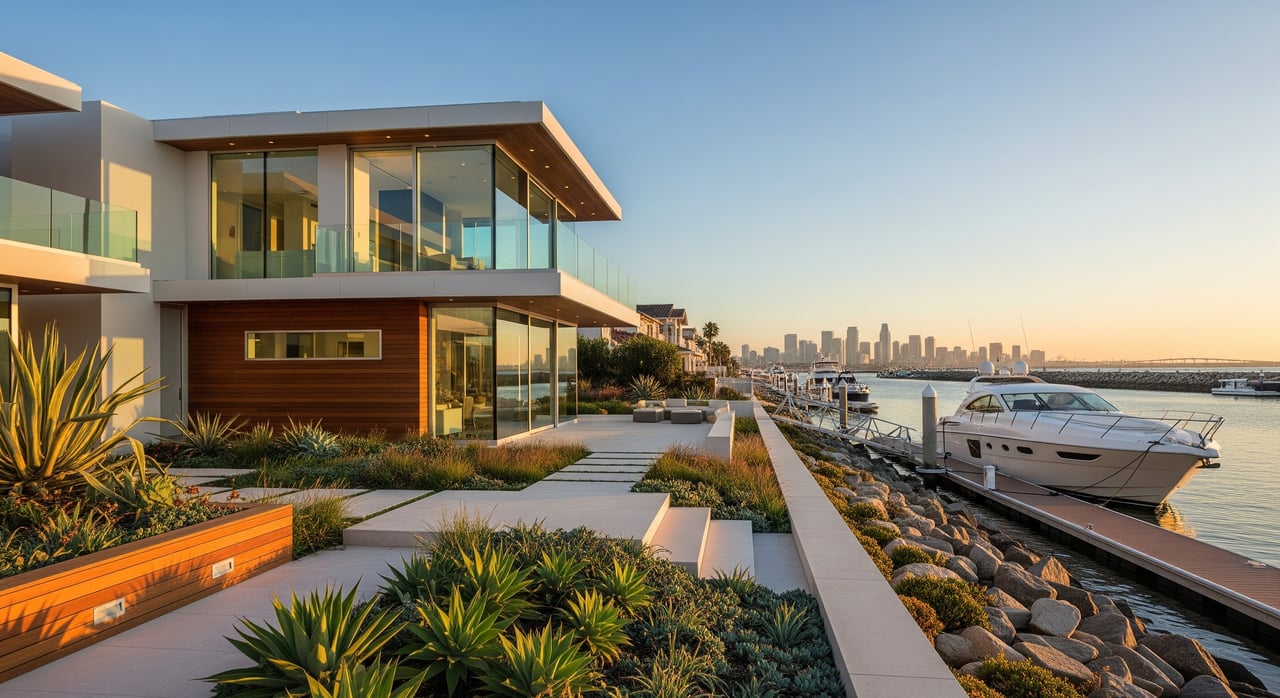
Belmont Shore, Naples, and parts of Belmont Heights can stay more active through winter. Waterfront and near‑water homes with strong amenities tend to draw interest year‑round. High‑quality presentation and smart pricing can still produce quick results when supply is thin.
Downtown and condo corridors
Downtown Long Beach and the Queensway area include mid‑ and high‑rise condos that attract a mix of owner‑occupiers and investors. Investor interest often tracks rental demand and rate math. Expect slightly different seasonality than single‑family neighborhoods, with motivated buyers focusing on value and building amenities.
Mid‑market single‑family areas
Inland Long Beach neighborhoods can show a more noticeable winter slowdown than coastal areas. That often means fewer total showings but a higher share of serious buyers. New or recently renovated homes can outperform when choices are limited.
If you plan to sell this winter
Use winter to your advantage by leaning into presentation, pricing, and flexibility.
- Price with purpose: Set a competitive price supported by recent comps. Build in room for negotiation, since winter buyers tend to be more discerning.
- Elevate the online first impression: Use professional photography, thoughtful winter staging, and clear descriptions. Twilight images and warm lighting can showcase spaces when daylight is limited.
- Optimize your timing: If you can list in late January or February, you may catch rising buyer traffic. If you need a pre‑year‑end sale or a quick relocation, a well‑priced winter listing can still perform.
- Expect serious, not swarming, interest: Plan for fewer showings, but take each one seriously. Be open to flexible close dates or brief rent‑backs to align with your next move.
- Watch the data: Track months of inventory, median days on market, and list‑to‑sale ratios for your segment through CRMLS and CAR. These metrics guide your pricing updates.
If you want to buy this winter
When competition cools, preparation pays off.
- Use leverage wisely: A smaller buyer pool can open doors for price adjustments, closing cost credits, or contingency timelines that fit your needs.
- Get mortgage‑ready early: Secure pre‑approval and ask lenders about rate lock strategies or potential seller credits. Follow weekly rate trends on Freddie Mac’s PMMS.
- Inspect for the season: Winter weather can reveal drainage, roof, and heating issues. Plan inspections and contingency periods to address cold‑weather findings.
- Move fast on value: Well‑priced, move‑in ready homes still attract attention. Review disclosures early and be ready with clean terms when the right home appears.
A simple winter timeline
- Week 1: Buyers finalize pre‑approval and priorities. Sellers complete prep list, photography, and pricing review.
- Weeks 2–3: Listing goes live or home shopping begins in earnest. Expect fewer showings but more serious conversations.
- Weeks 4–6: Offers, negotiations, and escrow. A straightforward financed sale typically closes in 30–45 days, with a buffer for appraisal and loan conditions if rates shift.
- Post‑close: Consider rent‑back options or short‑term housing to align sale and purchase timelines.
Where to check live local numbers
Bottom line for Long Beach this winter
Winter in LA County, including Long Beach, usually means fewer listings, fewer casual shoppers, and a buyer pool that is more focused. Well‑presented homes in coastal or high‑amenity areas can perform year‑round, while inland single‑family neighborhoods may see modest slowdowns. If you time your listing for late winter, you may catch increasing buyer traffic. If you buy in winter, you may gain negotiation room without facing peak season crowds.
If you want a pricing plan, staging roadmap, or a buyer strategy tailored to your neighborhood, reach out to Celeste Castillo for a quick, data‑guided consultation and next steps.
FAQs
Is winter a bad time to sell in Long Beach?
- Not necessarily; winter often has fewer buyers, but those buyers are more serious, and well‑priced, well‑marketed homes can still sell efficiently.
Do home prices in LA County usually drop in winter?
- Prices often flatten or dip slightly due to seasonality; larger shifts depend on supply, demand, and mortgage rates rather than the season itself.
Will mortgage rates fall during the holidays?
- Rates follow market conditions and policy rather than the calendar; monitor weekly trends on Freddie Mac’s PMMS and talk to your lender.
When is the best time to list in Long Beach?
- Late winter to early spring can offer more buyer traffic, but a motivated winter sale can succeed with strong pricing, staging, and online presentation.
How long does a winter sale usually take?
- A straightforward financed sale often closes in about 30–45 days; allow extra time for appraisal and loan conditions if rates are moving.